10 Garden Tools Every Mediterranean Gardener Should Own
Creating a Mediterranean garden is about more than choosing beautiful olive trees and fragrant lavender. The right tools make planting, pruning and maintaining your garden much easier—and they help your plants stay healthier for years to come.
Whether you're designing a sunny patio, growing herbs in terracotta pots or caring for an olive tree, these are the tools worth investing in.
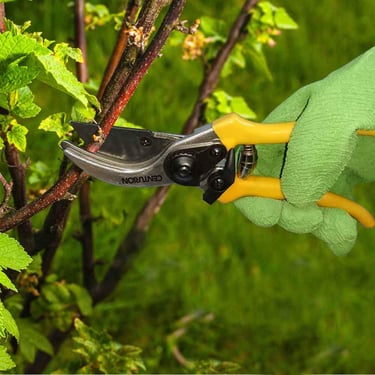
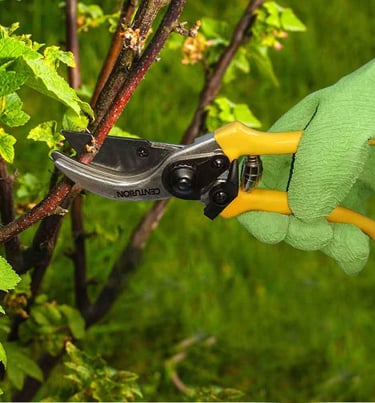
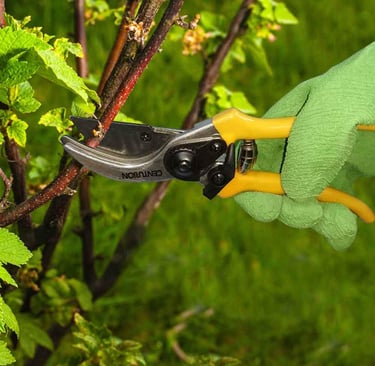
1. Bypass Pruning Shears
If you only buy one garden tool, make it a quality pair of bypass pruners.
They're perfect for:
Olive trees
Lavender
Rosemary
Citrus trees
Bay laurel
Unlike anvil pruners, bypass pruners make clean cuts that are less likely to damage living branches.
Recommended for:
Annual pruning
Harvesting herbs
Removing dead growth
👉 Recommended Product: Premium Bypass Pruning Shears
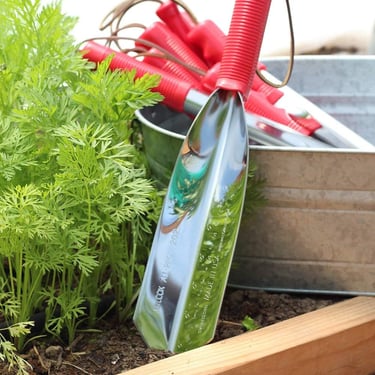
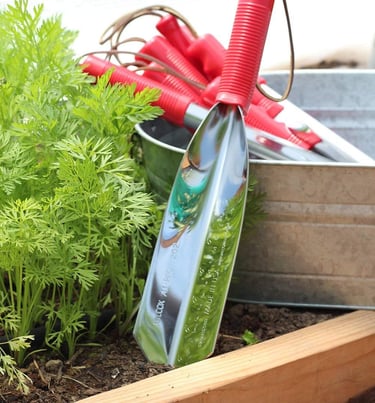
2. Hand Trowel
Mediterranean gardens often include lots of containers.
A sturdy hand trowel makes planting herbs, filling terracotta pots and transplanting young plants quick and easy.
Choose one with a stainless-steel blade that won't rust.
👉 Recommended Product: Stainless Steel Garden Trowel
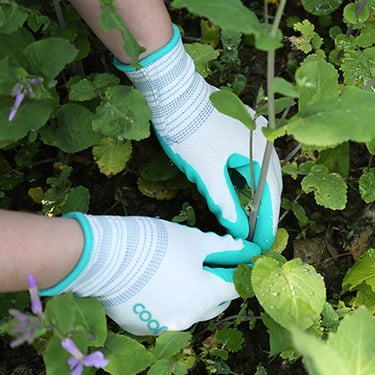
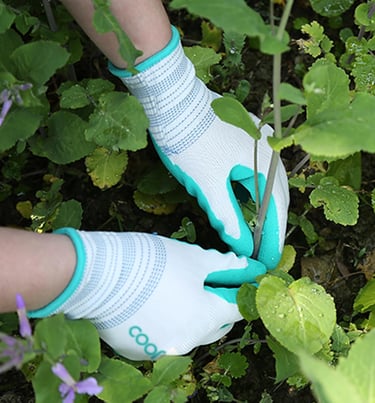
3. Gardening Gloves
Olive branches can be surprisingly rough, rosemary becomes woody over time, and terracotta pots aren't exactly gentle on your hands.
A durable pair of gloves protects against cuts, dirt and blisters while still allowing enough flexibility for delicate tasks.
👉 Recommended Product: Breathable Gardening Gloves
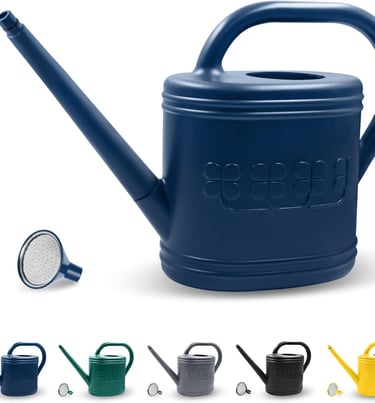
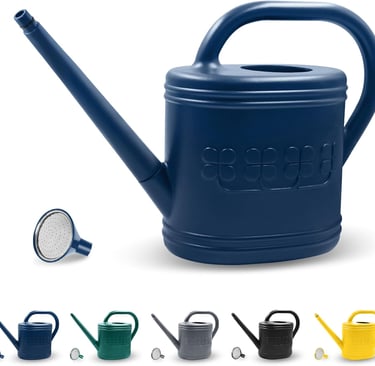
4. Watering Can with a Long Spout
Mediterranean plants prefer deep, controlled watering rather than frequent light watering.
A watering can with a long spout helps you water the soil directly without soaking the leaves.
Ideal for:
Olive trees
Lavender
Herbs
Citrus trees
👉 Recommended Product: Outdoor Watering Can
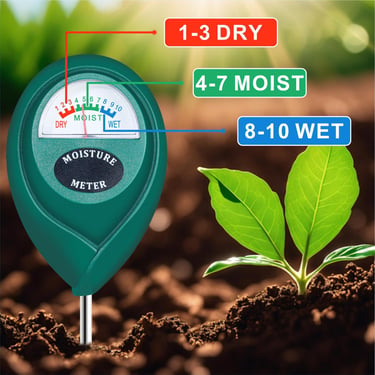
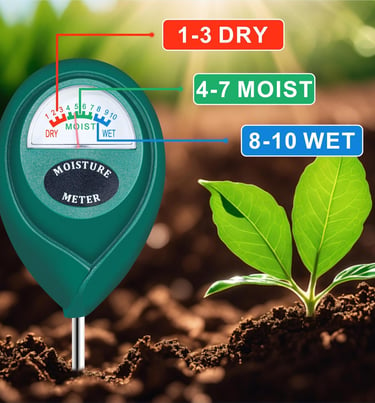
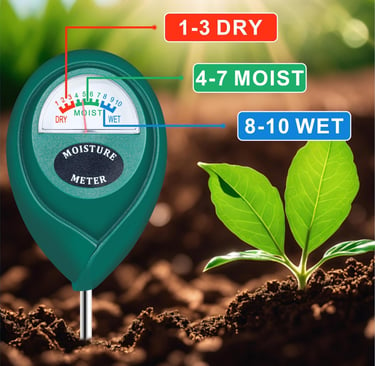
5. Soil Moisture Meter
One of the biggest mistakes beginners make is overwatering.
A moisture meter takes the guesswork out of watering by showing when the soil is actually dry.
It's especially useful for:
Olive trees
Lavender
Rosemary
👉 Recommended Product: Soil Moisture Meter
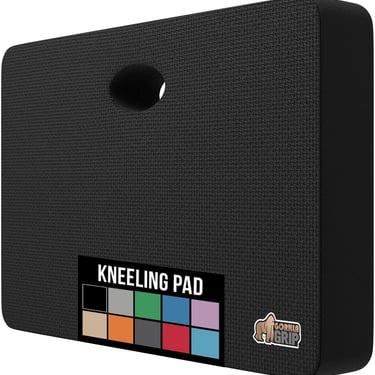
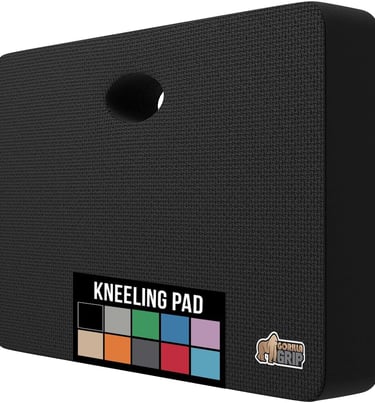
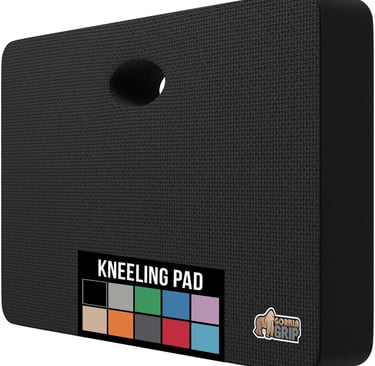
6. Garden Kneeling Pad
Container gardening involves a lot of kneeling and bending.
A waterproof kneeling pad makes longer gardening sessions much more comfortable.
👉 Recommended Product: Garden Kneeling Pad
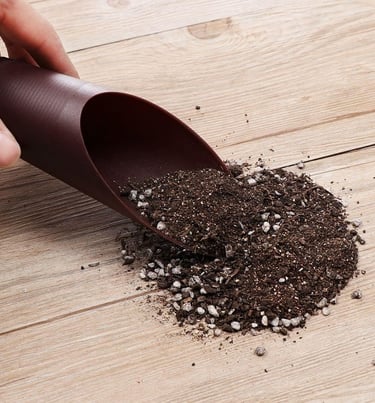
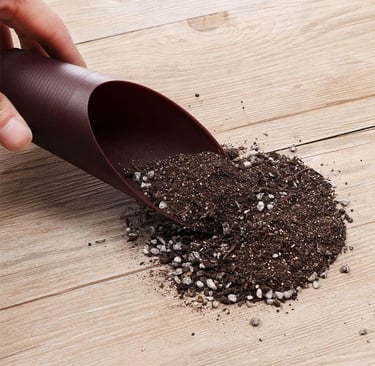
7. Soil Scoop
Filling large terracotta pots can get messy.
A soil scoop makes transferring potting mix cleaner and faster, especially if you regularly repot herbs or small trees.
👉 Recommended Product: Heavy-Duty Soil Scoop
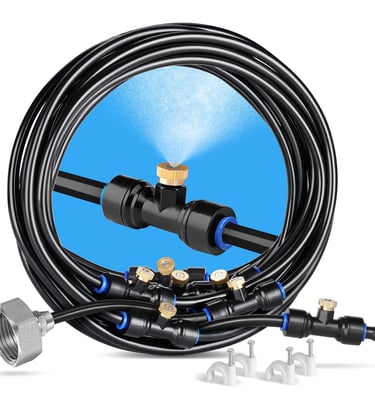
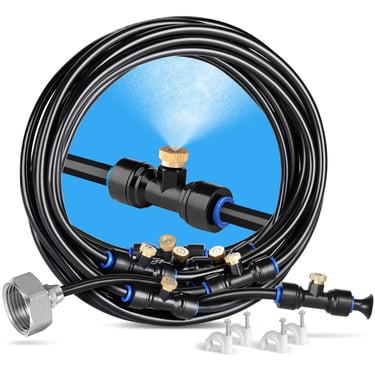
8. Drip Irrigation Kit
Mediterranean plants dislike inconsistent watering.
A simple drip irrigation system delivers water slowly to the roots while reducing waste.
It's ideal for:
Hot summers
Busy gardeners
Large container gardens
👉 Recommended Product: Drip Irrigation Kit
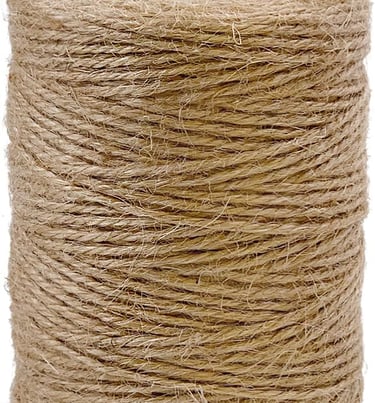
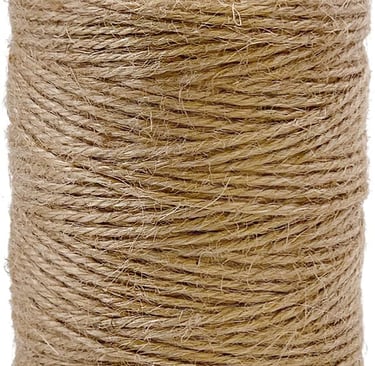
9. Garden Twine
Soft garden twine is useful for:
Supporting young olive trees
Training climbing plants
Securing stems after pruning
Choose natural jute twine for a more traditional Mediterranean look.
👉 Recommended Product: Natural Jute Garden Twine
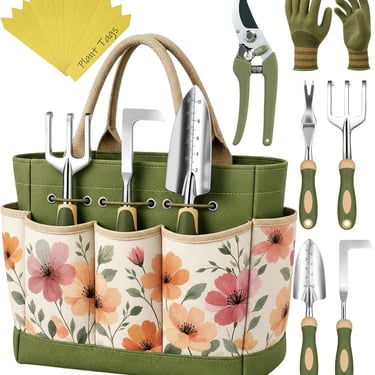
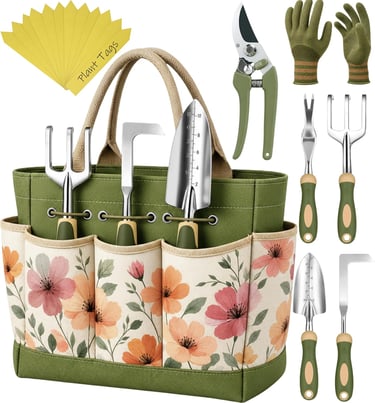
10. Garden Bucket or Tool Tote
Instead of walking back and forth, keep your most-used tools together.
A sturdy garden tote keeps everything organised and makes gardening more enjoyable.
👉 Recommended Product: Garden Tool Tote
Bonus: Build Your Mediterranean Gardening Starter Kit
If you're just starting out, you don't need dozens of expensive tools.
Start with these five essentials:
Bypass pruning shears
Hand trowel
Gardening gloves
Watering can
Soil moisture meter
These five tools will handle almost every task in a Mediterranean-style garden.
Frequently Asked Questions
What tools do I need for a Mediterranean garden?
Start with pruning shears, a hand trowel, gloves, a watering can and a soil moisture meter. As your garden grows, you can add irrigation systems and specialised tools.
Do olive trees need special tools?
Not many. A good pair of bypass pruners and a moisture meter are usually the most important tools for keeping olive trees healthy.
Is a drip irrigation system worth it?
Yes, especially for container gardens. It provides consistent watering while reducing the risk of overwatering, which is one of the most common problems with Mediterranean plants.