
The Ultimate Seed-Starting Guide
What to Plant in Early Spring
11/22/20252 min read
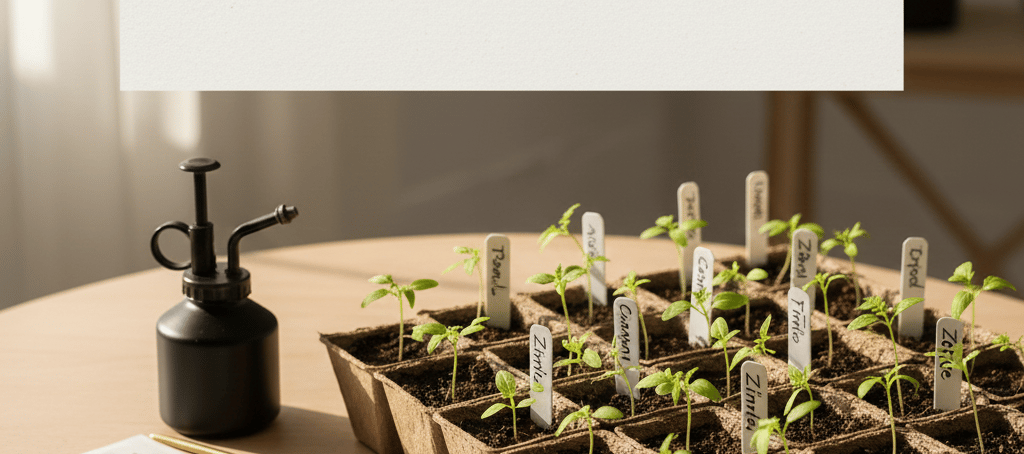
There’s something magical about early spring, that moment when the earth begins to wake up, the sunlight softens, and gardeners everywhere feel the urge to grow something new. If you’re dreaming of fresh vegetables, herbs, and flowers this season, starting seeds indoors is the best way to get a head start.
Seed-starting isn’t just practical, it’s seasonal self-care. It’s slow, grounding, and incredibly rewarding. And with a few simple tools, anyone can do it, even if you’ve never grown a single plant before.
This guide will show you exactly what to plant in early spring, how to start seeds indoors successfully, and how to grow strong, thriving seedlings ready for the garden.
Why Start Seeds Indoors?
Starting seeds indoors lets you:
Grow varieties you can’t find in shops
Save money (seed packets go a long way!)
Get a 4–6 week head start
Raise healthier, stronger plants
Enjoy greenery while it’s still chilly outside
Plus… nurturing tiny green sprouts inside your home is incredibly satisfying.
What to Plant in Early Spring
Here are the easiest and most popular plants to start indoors as soon as early spring arrives (or even late winter if you’re eager).
1. Herbs That Thrive Indoors First
Perfect for beginners:
Basil
Parsley
Dill
Cilantro
Chives
They grow fast, smell amazing, and add instant life to your kitchen.
2. Warm-Weather Vegetables
These need warmth and time to establish indoors:
Tomatoes
Peppers
Eggplants
Cucumbers
Squash
Tomatoes & peppers benefit greatly from a head start under grow lights.
3. Leafy Greens
Greens love early spring and grow beautifully from seed:
Lettuce
Kale
Spinach
Swiss chard
They germinate quickly and are very forgiving for beginners.
4. Early Blooming Flowers
Bring color to the season with flower seeds like:
Marigolds
Cosmos
Zinnias
Snapdragons
Poppies
Starting these indoors gives you fuller, longer-lasting blooms.
The 6 Essentials You Need To Know
✔ 1. Seed trays
Look for trays with cells and a humidity dome.
✔ 2. High-quality seed-starting mix
Light, airy soil = faster germination.
✔ 3. LED grow lights
Seedlings get leggy quickly — lights keep them strong.
✔ 4. Heat mat (optional but powerful)
Speeds up germination for tomatoes & peppers.
✔ 5. Spray bottle
Gentle watering = no root damage.
✔ 6. Plant labels
Because everything looks the same when tiny 😅
How to Start Seeds Indoors (Step-by-Step)
1. Fill trays with seed-starting mix
Never pack the soil, keep it fluffy.
2. Plant seeds at the right depth
Rule: small seeds = light covering, big seeds = deeper planting.
3. Mist gently
Keep soil moist, never soggy.
4. Cover with a humidity dome
Creates a warm mini-greenhouse effect.
5. Add heat (for heat-loving plants)
If using a heat mat, set temp to ~21–24°C.
6. Move under grow lights once sprouted
Keep lights 5–10 cm above seedlings.
7. Rotate trays
Encourages strong, straight stems.
Hardening Off: The Step Most Beginners Skip
Before seedlings can move outdoors, they need to adjust slowly.
For 7 days:
Day 1 → 1 hour outside in shade
Day 2 → 2–3 hours
Day 3 → Some sunlight
Day 4–7 → Gradually increase sun + time outdoors
This prevents shock and makes plants much stronger.
🌿 Plants You Should NOT Start Indoors
These prefer being directly sown outdoors:
Carrots
Beets
Radishes
Beans
Peas
Their roots don’t like being disturbed.Final Thoughts
Seed-starting is one of the most rewarding ways to begin your gardening season. With a little warmth, light, and patience, you can grow a thriving garden full of fresh herbs, crisp greens, juicy tomatoes, and stunning flowers — all from tiny seeds.
It’s slow living at its best.
And it’s a beautiful reminder: everything begins small.
Explore more garden guides, tips, and inspiration on Bloom & Homestead. 🌱✨